


Gene Tierney, Illness, psychiatric trials and resilience
Gene Tierney’s story wouldn’t be complete without mentioning her struggle with mental illness, which made her a pioneer in liberating the word on this subject in Hollywood. Behind the glitter of the spotlight and the designer gowns lay a woman in constant struggle with her inner demons.
FIRST SIGNS OF FRAGILITY
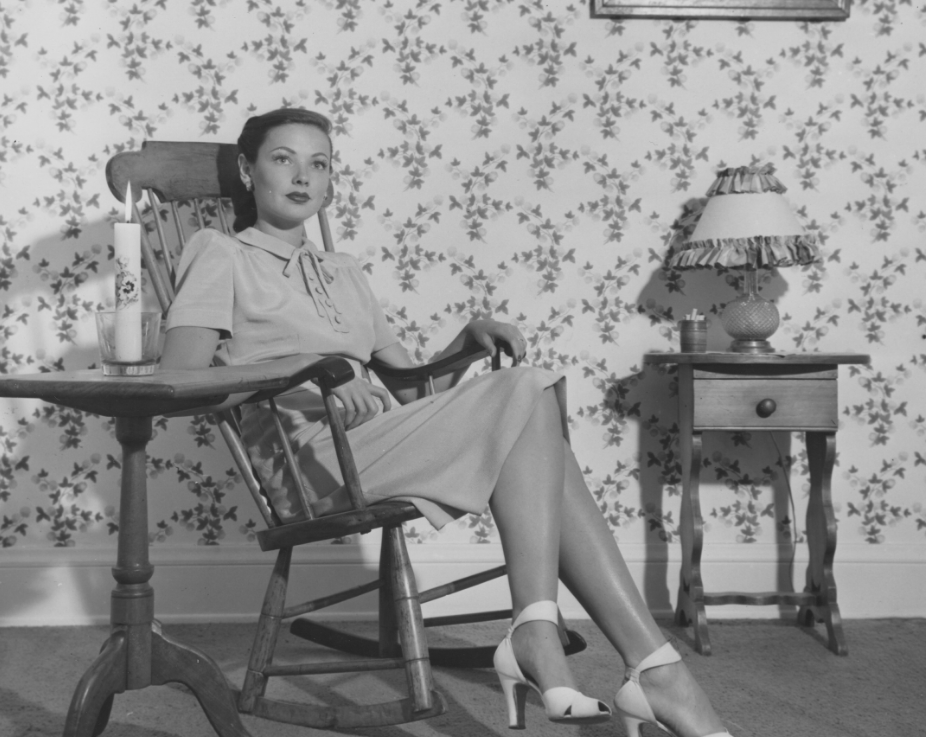
In the late 1940s, at the height of her career, Gene began to show signs of fatigue and emotional instability. The dramas of her private life – notably the birth of her daughter Daria with severe handicaps – accentuated her growing malaise. Those close to her noted that she oscillated between periods of euphoria and episodes of profound sadness. The press of the time, still relatively insensitive to mental health issues, spoke of “star whims”, unaware of the true seriousness of her condition.
Hospitalization and treatment
In the early 1950s, the situation worsened. Gene was diagnosed with schizophrenia, a term that at the time encompassed a variety of mental disorders. She was hospitalized several times in specialized clinics. The treatments she underwent were those of the time: electroshock, heavy sedation and isolation. Far from bringing lasting relief, these methods had a profound effect on her.
In 1957, overwhelmed by grief and loneliness, Gene attempted to end her life by throwing herself off the balcony of a New York apartment building. Miraculously, she survived. After this suicide attempt, she was admitted to the Menninger Clinic psychiatric hospital in Topeka, Kansas. She remained there for about a year, receiving intensive care for her depression. This dramatic episode shook Hollywood and revealed the hidden face of stars’ lives, often trapped in an image of perfection that leaves no room for fragility.
The Menninger Clinic
and the renaissance
It was at the Menninger Clinic in Kansas, under the supervision of Dr. Karl Menninger, that Gene finally found a form of balance. The doctor, renowned for his more humane, psychotherapeutic approach, helped him regain a certain serenity. After her release in 1958, Gene Tierney continued to receive psychiatric care and was closely monitored by her doctors.
Return to anonymity: a simple life after Hollywood
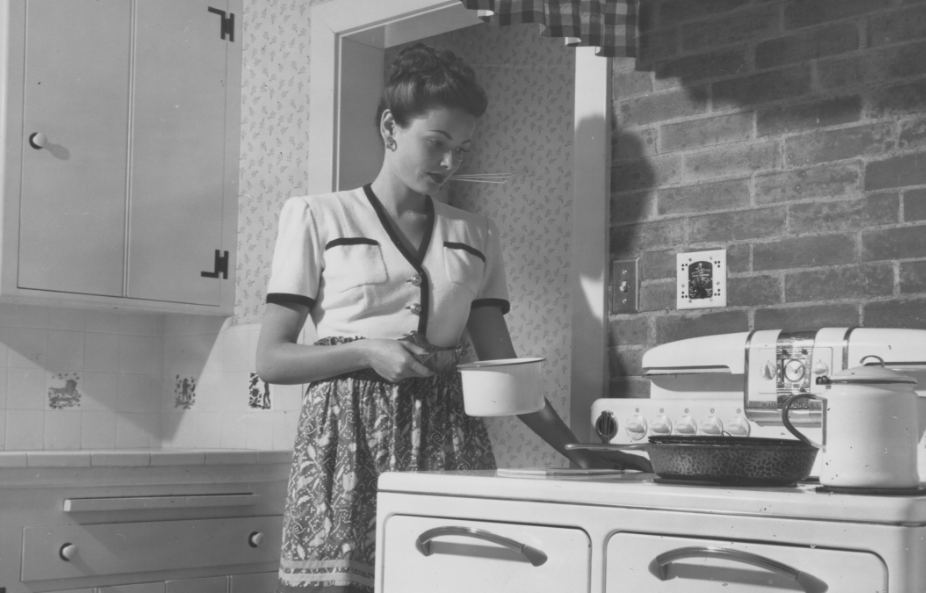
After her release from the Menninger Clinic in 1958, Gene Tierney realized that her relationship with Hollywood had been irreparably altered. Studios were reluctant to offer her new roles, fearing her medical past, and the actress herself felt a vital need to protect herself from a world that had exposed her to too much.
In a choice that surprised her contemporaries, she voluntarily stepped away from the spotlight. Settling in Houston, Texas, she took a discreet job as a salesgirl in a clothing store. There, behind a counter, Gene rediscovered the simplicity of an ordinary life: anonymous customers, banal conversations, and the possibility of living without the crushing weight of being a star. For many of her admirers, this image of a legendary actress who has once again become “Mrs Everywoman” symbolizes both her courage and her profound desire to return to a peaceful existence.
This withdrawal is not synonymous with obliteration. Gene continued to read widely, and to keep abreast of film and fashion, but now chose when and how to appear in public. In 1960, she married Howard Lee, a wealthy Texan businessman, who finally brought her lasting emotional and material stability. Together, they led a discreet life, punctuated by travel, far from the hustle and bustle of Hollywood.
En 1979, Gene ose livrer son témoignage dans son autobiographie
Self-Portrait, écrite avec Mickey Herskowitz. Elle y raconte sans détour ses hospitalisations, sa tentative de suicide, mais aussi cette période où elle a volontairement choisi l’anonymat. This book, praised by critics, marks a crucial milestone in the public recognition of mental disorders.
As a New York Times critic wrote: “Speaking out about her suffering was his bravest act.”
The legacy of her testimony
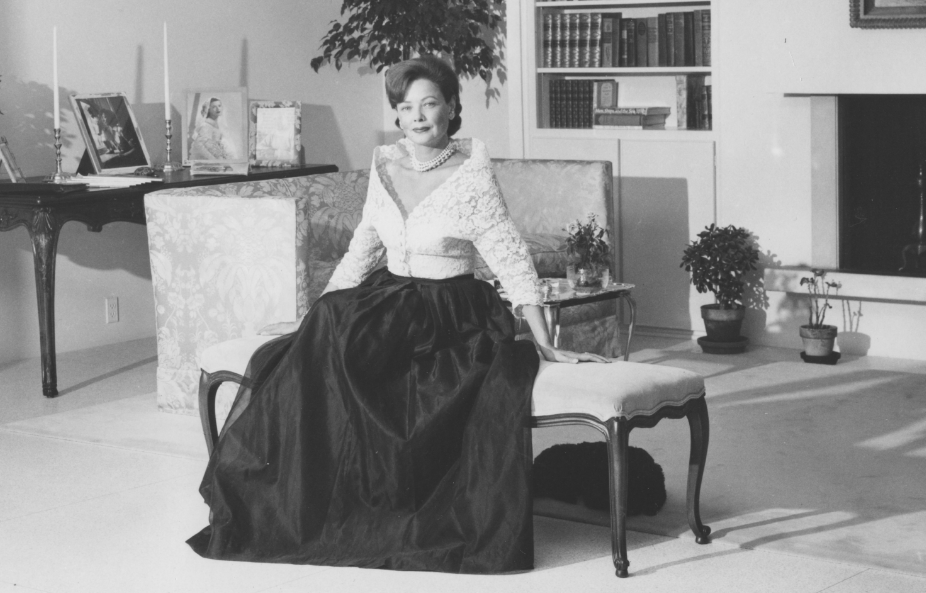
The publication of Self-Portrait is a courageous act, helping to lift the veil on mental illness in an environment where everything had to remain hidden. At a time when the word “schizophrenia” was a stigmatized term, Gene dared to tell her story. In spite of herself, she became a pioneer in the public recognition of mental health as a universal human issue.
Despite her frailties, she remained close to her public, tirelessly answering letters from her admirers. Her fans, in the U.S. and Europe alike, treasured her words, testifying to a star who never stopped reaching out to those who loved her.
CONTINUE EXPLORING THE LIFE OF AN ICON